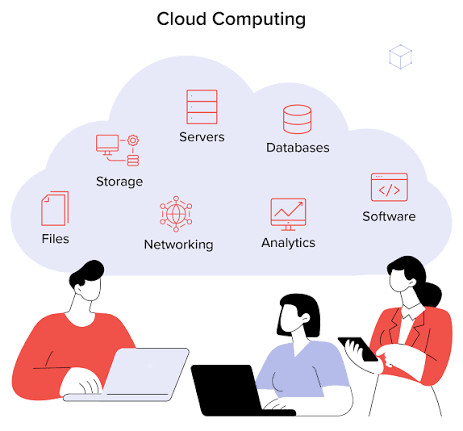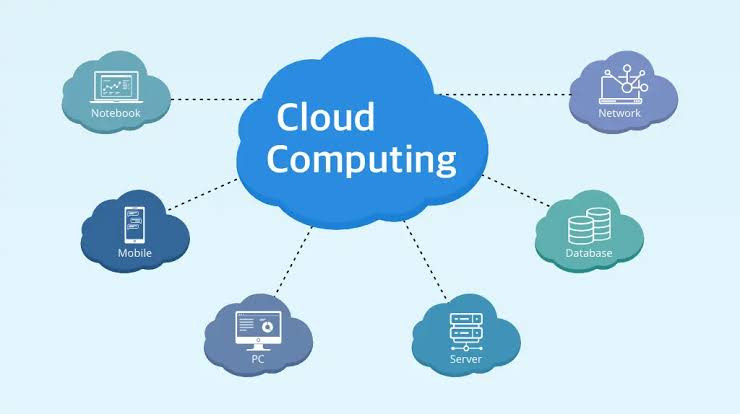
Cloud computing makes it possible to provision infrastructure quickly and scale resources as demand changes.
However, that flexibility can also make it easy for organizations to accumulate unnecessary resources and increase their monthly cloud bills.
Effective cloud cost management is not simply about choosing the cheapest infrastructure. It involves understanding how resources are being used and matching capacity to actual requirements.
Understand Where Money Is Being Spent
The first step is to understand current cloud spending.
Organizations should categorize costs by application, environment, team, service, and resource where possible.
Without visibility into spending, it is difficult to determine which workloads are responsible for unexpected increases.
Remove Unused Resources
Development and testing environments frequently contain resources that are no longer required.
Unused virtual machines, unattached storage volumes, obsolete snapshots, unused IP addresses, and abandoned databases can continue generating costs.
Organizations should establish processes for identifying and removing resources that are no longer needed.
Right-Size Infrastructure
A common source of unnecessary spending is provisioning resources that are significantly larger than required.
For example, an application that consistently uses a small percentage of available CPU and memory may not require its current instance size.
Monitoring actual utilization can help teams determine whether resources can be safely reduced.
Use Automatic Scaling
Applications rarely experience the same level of demand throughout the day.
Automatic scaling allows infrastructure capacity to increase during periods of high demand and decrease when demand falls.
This can help organizations avoid paying for maximum capacity at all times.
Manage Storage Carefully
Storage costs can grow gradually and become significant over time.
Organizations should identify old backups, logs, snapshots, and other data that no longer requires high-performance storage.
Where appropriate, less frequently accessed information can be moved to lower-cost storage tiers.
Monitor Unexpected Changes
Cloud environments should have alerts for unusual spending patterns.
A sudden increase in resource consumption may indicate legitimate traffic growth, a configuration problem, or even unauthorized activity.
Cost alerts can help teams investigate unexpected changes before they become expensive surprises.
Separate Development and Production
Development environments do not always need the same resources as production.
Teams can often reduce costs by using smaller infrastructure for development and testing and shutting down non-production environments when they are not required.
Automate Where Possible
Manual cloud resource management becomes difficult as an environment grows.
Automation can be used to schedule non-production resources, enforce tagging policies, remove unused resources, and apply consistent infrastructure configurations.
Infrastructure as Code can also make cloud environments easier to reproduce and manage.
Conclusion
Cloud cost optimization is an ongoing process.
Organizations should continuously monitor usage, remove unnecessary resources, right-size infrastructure, optimize storage, and automate repetitive management tasks.
The goal is not simply to spend less. The goal is to ensure that every cloud resource provides an appropriate level of business or technical value.
When cost management becomes part of normal cloud operations, organizations can maintain performance and reliability while avoiding unnecessary infrastructure spending.