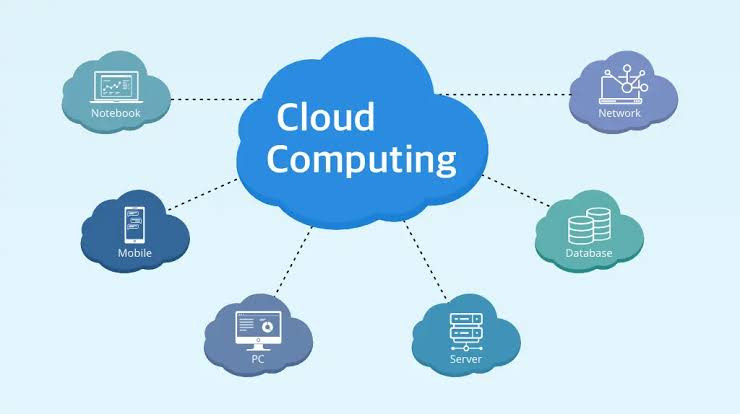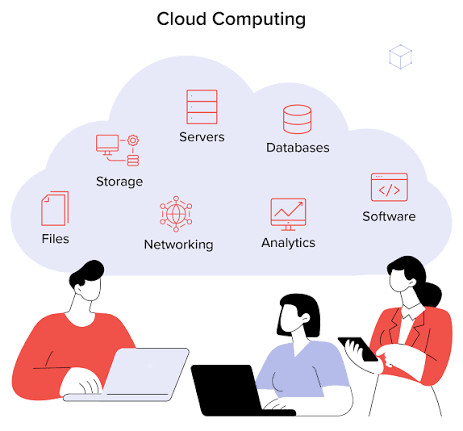
Cloud computing has changed the way organizations build, deploy, and operate software.
Instead of purchasing and maintaining all computing infrastructure themselves, organizations can obtain computing resources from cloud providers and scale those resources according to their requirements.
Three common cloud service models are Infrastructure as a Service, Platform as a Service, and Software as a Service.
Infrastructure as a Service
Infrastructure as a Service, commonly called IaaS, provides fundamental computing resources such as virtual machines, storage, and networking.
With IaaS, the cloud provider manages the underlying physical infrastructure while the customer manages much of the operating system, applications, configurations, and data.
This model provides significant flexibility and is useful when an organization needs substantial control over its computing environment.
Platform as a Service
Platform as a Service, or PaaS, provides a managed environment for developing and deploying applications.
The cloud provider manages more of the underlying infrastructure and runtime environment, allowing developers to focus primarily on application code.
PaaS can reduce the operational effort required to maintain servers and runtime environments.
Software as a Service
Software as a Service, commonly known as SaaS, provides complete applications through the internet.
Users generally interact with the application through a web browser or dedicated client while the provider manages the infrastructure, application platform, updates, and much of the operational environment.
Email, collaboration platforms, customer relationship management systems, and many business applications are commonly delivered as SaaS products.
Choosing the Right Model
The appropriate cloud service model depends on the organization's requirements.
IaaS is useful when teams need greater infrastructure control.
PaaS can be attractive when developers want to focus on building applications rather than managing servers.
SaaS is often the simplest option when an organization needs a complete application without developing and operating the underlying software itself.
Cloud Does Not Mean No Management
Moving to the cloud does not eliminate the need for technical management.
Organizations still need to manage identities, permissions, data protection, application configuration, monitoring, costs, and security.
The exact responsibilities depend on the service model and provider.
Understanding Shared Responsibility
Cloud security is generally based on a shared responsibility model.
The provider is responsible for protecting the underlying cloud infrastructure, while customers remain responsible for aspects such as their data, identities, configurations, and applications depending on the service being used.
Organizations should clearly understand these responsibilities before moving workloads to the cloud.
Conclusion
IaaS, PaaS, and SaaS represent different levels of responsibility and control.
Understanding these models helps organizations choose cloud services that match their technical requirements, budget, operational capabilities, and security expectations.
Cloud computing is most effective when organizations treat it as an operational strategy rather than simply a replacement for physical servers.