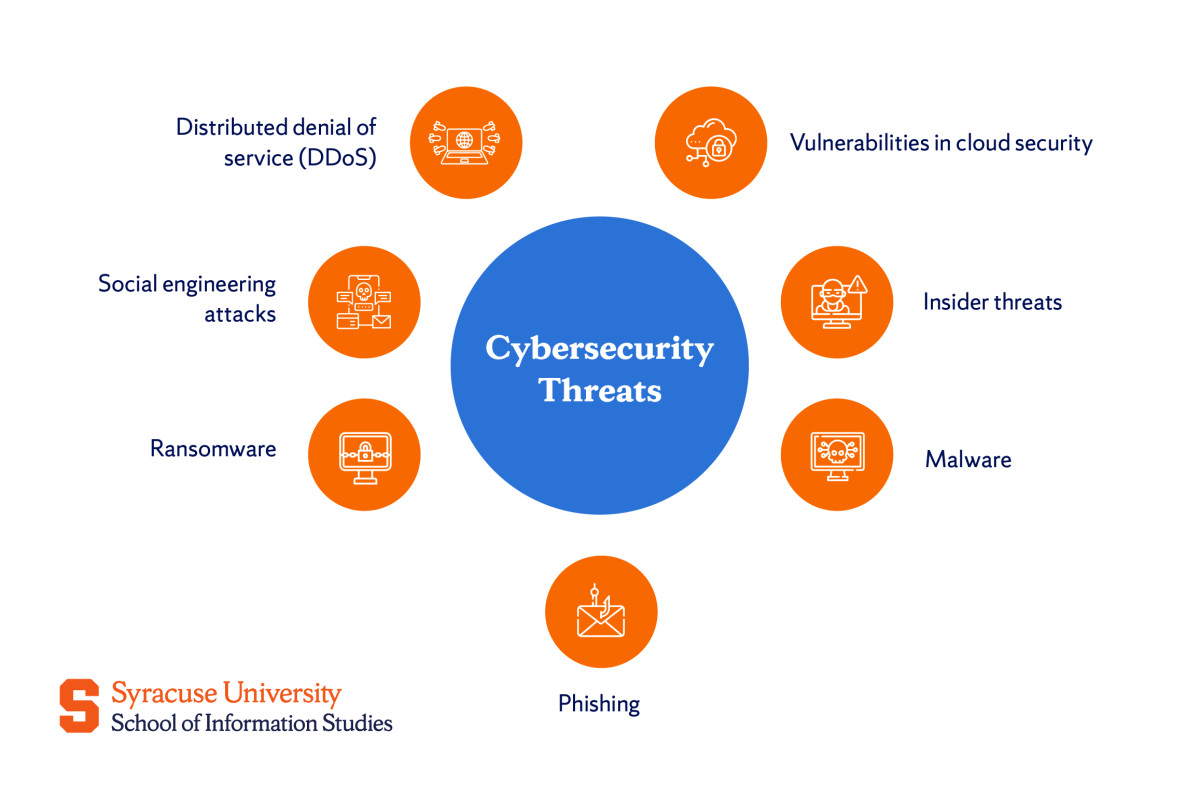
Small businesses often assume that cybersecurity attacks primarily target large corporations, banks, and government institutions. In reality, attackers frequently target smaller organizations because they may have fewer security controls, limited security staff, and valuable customer information.
Building a strong cybersecurity foundation does not necessarily require expensive enterprise security products. It starts with implementing a few fundamental security practices consistently across the organization.
Start With Strong Authentication
One of the simplest ways to improve security is to protect accounts with strong authentication.
Employees should use unique passwords for every important account. Password managers can help employees generate and securely store complex passwords without requiring them to memorize dozens of credentials.
Multi-factor authentication should also be enabled wherever possible. Even if an attacker obtains a user's password through phishing or another method, an additional authentication factor can significantly reduce the likelihood of unauthorized access.
Keep Systems and Applications Updated
Outdated software is a common source of security vulnerabilities. Operating systems, browsers, content management systems, plugins, and business applications should be updated regularly.
Organizations should establish a simple patch management process that identifies systems requiring updates and ensures critical security patches are applied promptly.
A vulnerability that has already been publicly disclosed is particularly dangerous when an organization continues running an outdated version of the affected software.
Train Employees to Recognize Phishing
Technology alone cannot eliminate every security risk. Employees are often targeted through phishing emails designed to trick them into revealing credentials, opening malicious attachments, or transferring money.
Security awareness training should teach employees how to identify suspicious messages.
Common warning signs include unexpected password-reset requests, unusual payment instructions, unfamiliar attachments, suspicious links, and messages creating a strong sense of urgency.
Employees should also know how and where to report suspicious emails.
Protect and Test Backups
Backups are particularly important when dealing with ransomware and destructive attacks.
Important business data should be backed up regularly, and organizations should maintain copies that cannot easily be modified or deleted by an attacker who compromises the main environment.
Having backups is not enough. Organizations should periodically test their restoration procedures to confirm that data can actually be recovered when needed.
Limit Access to Sensitive Information
Employees should only have access to the information and systems required to perform their jobs.
This principle, commonly known as least privilege, reduces the potential impact of a compromised account.
For example, an employee who only needs access to customer support information should not automatically receive administrative access to production databases or cloud infrastructure.
Monitor Accounts and Systems
Organizations should monitor important systems for unusual activity.
Examples include repeated failed login attempts, unexpected administrator activity, logins from unusual locations, and large transfers of sensitive data.
Basic logging and monitoring can help identify suspicious behavior before it becomes a major incident.
Create an Incident Response Plan
Every organization should have a basic plan for responding to security incidents.
The plan should identify who is responsible for technical investigation, who communicates with customers, who contacts service providers, and how compromised accounts or systems will be isolated.
A documented response plan reduces confusion during an actual incident.
Conclusion
Cybersecurity is an ongoing process rather than a single project.
Small businesses can significantly improve their security posture by implementing strong authentication, keeping software updated, training employees, maintaining reliable backups, limiting access, monitoring systems, and preparing an incident response plan.
The goal is not to create a perfect security environment. The goal is to make attacks more difficult, detect suspicious activity earlier, and reduce the damage when an incident occurs.